The Zillow Algorithm Trick: How Floor Plans Double Your Organic Views
WHY PAY MORE?
Zillow
The Zillow Algorithm Trick: How Floor Plans Double Your Organic Views
Zillow isn't just a listing portal. It's a search engine with its own ranking algorithm — and it rewards the listings that keep buyers engaged longest. Here's exactly how interactive floor plans trigger that algorithm, and what it means for your listing's organic visibility.
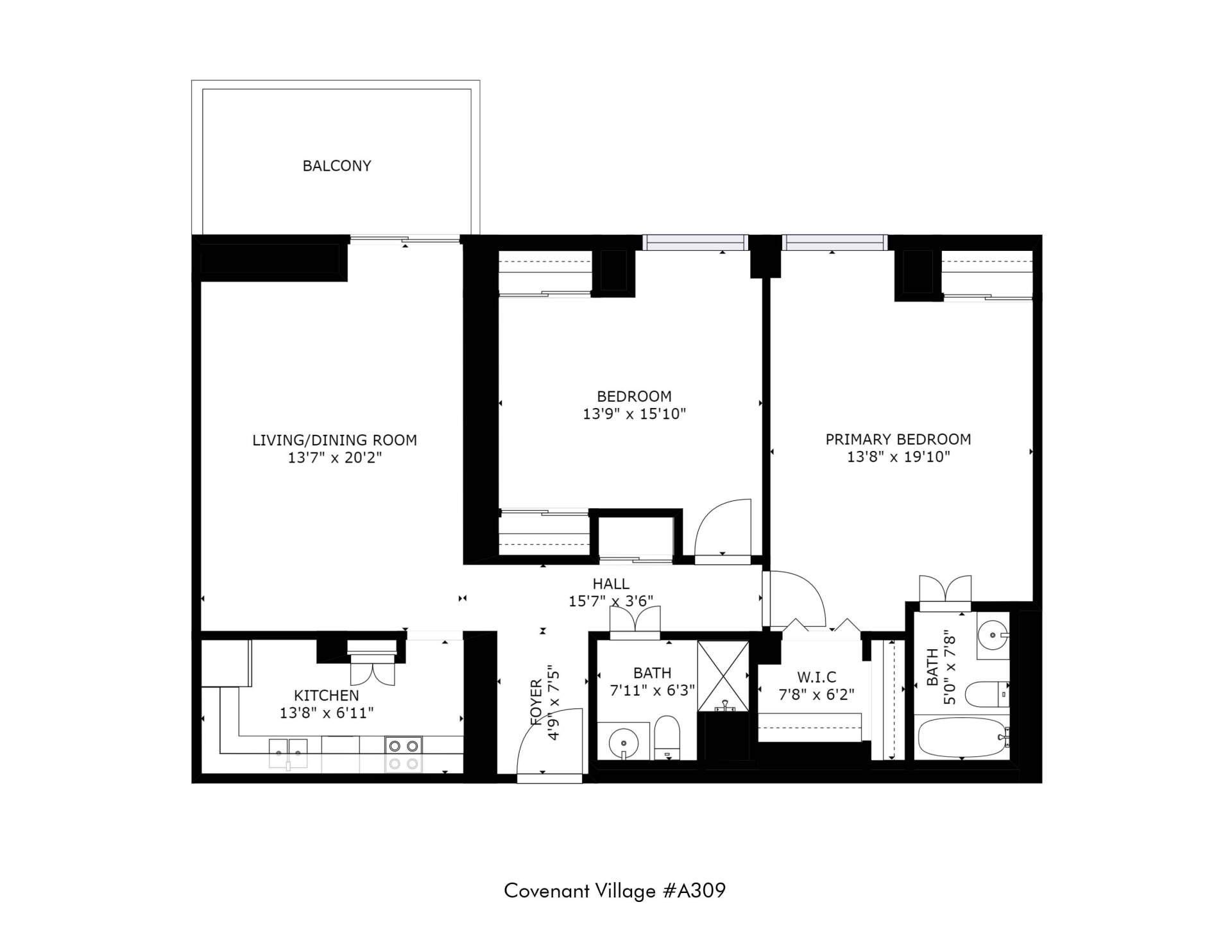
Most agents think about Zillow the way they think about a bulletin board. You pin your listing up, add some photos, write a description, and wait for buyers to find it. That mental model made sense in 2010. It doesn't anymore.
Zillow is a search engine. It has an algorithm that decides which listings appear at the top of search results and which ones get buried three pages deep where almost no buyer ever scrolls. And like every search engine — Google included — it uses engagement signals to make those decisions. How long buyers spend on a listing. How often they save it. How frequently they click through to contact the agent.
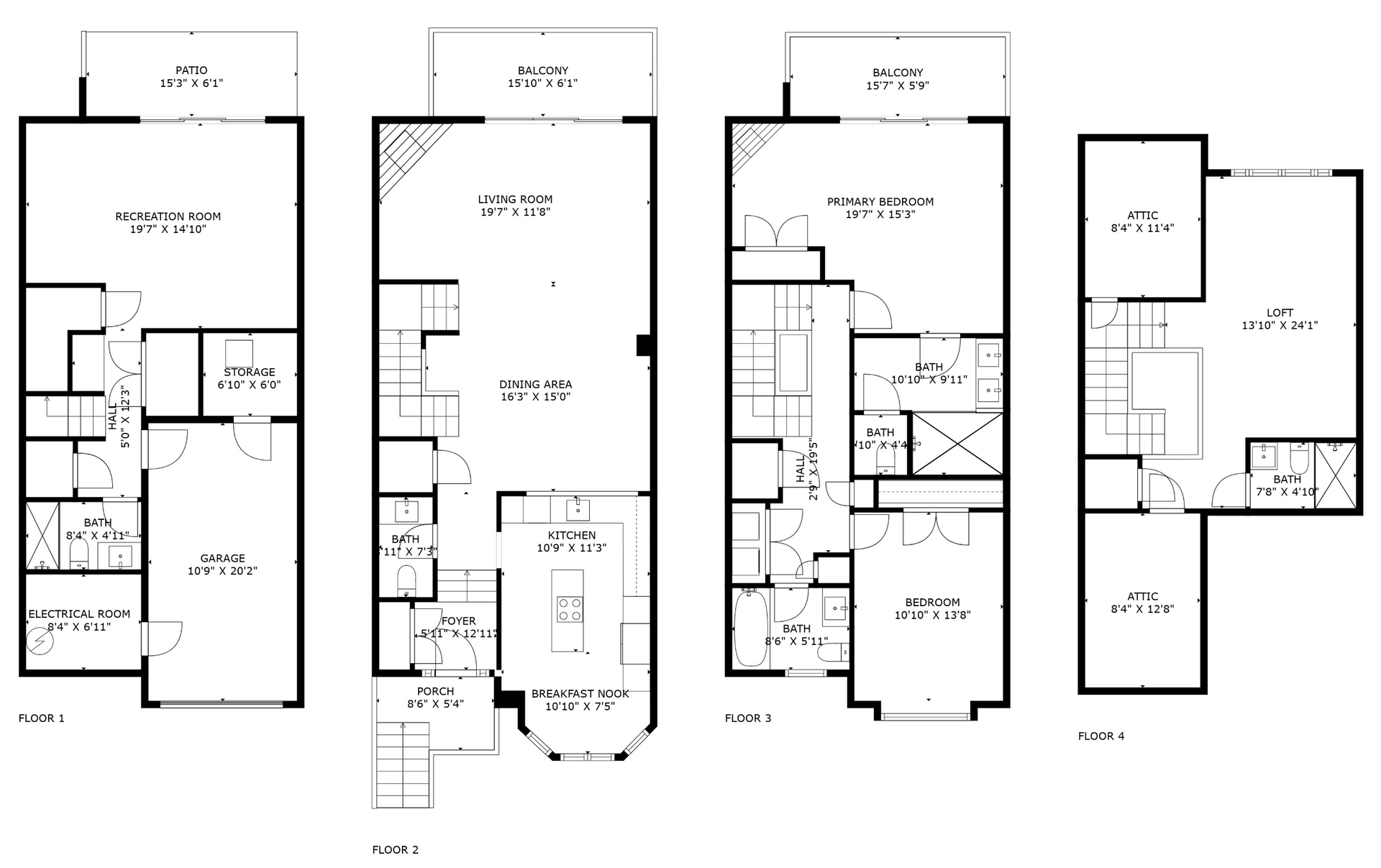
Here's what almost nobody talks about: interactive floor plans are one of the single most powerful triggers for those engagement signals. Zillow's own data shows that listings with interactive floor plans generate significantly more buyer engagement than listings without them. And more engagement means higher placement. Higher placement means more organic listing views. More organic views means more showings, more offers, and a faster sale. Most agents don't realize why their listings aren't getting enough online engagement — and floor plans are a big part of the answer.
That compounding loop is the Zillow floor plan advantage. And most sellers are leaving it entirely on the table.
How the Zillow algorithm actually ranks listings
Zillow doesn't publish its full ranking algorithm — no major search platform does. But the signals it responds to are well understood by anyone who has studied listing performance data seriously. At its core, Zillow's search ranking rewards listings that demonstrate buyer interest.
Listing dwell time
How long a buyer spends on your listing page before leaving. A buyer who clicks into a listing, scrolls through photos, explores a 3D tour, and spends four minutes examining a floor plan sends a strong signal that this listing is worth showing to more people. A buyer who clicks in, sees a few static photos, and bounces in thirty seconds sends the opposite signal. Dwell time is arguably the most direct measure of listing quality that Zillow can observe — and floor plans extend it dramatically. In fact, buyers decide before they even read the listing description — the visual experience is doing all the heavy lifting.
Save rate
When a buyer saves a listing to their Zillow favorites, that's an explicit quality signal. It says: this listing was worth keeping. Save rates correlate directly with listing engagement — buyers who spend more time on a listing are more likely to save it. Listings with higher save rates get shown more prominently in saved search alerts and recommendation feeds, creating an organic visibility multiplier that compounds over the life of the listing.
Contact rate
How frequently buyers request showings, ask questions, or contact the agent directly from the listing page. Contact rate is the downstream result of strong dwell time and save rates — a buyer who has spent real time exploring a listing is significantly more likely to take action. Floor plans accelerate this by answering the layout questions buyers always carry, reducing friction between interest and inquiry.
Click-through rate from search results
Before a buyer even lands on your listing page, Zillow is watching how often buyers click your listing in search results versus scrolling past it. Listings that display floor plan badges and 3D tour indicators in search results earn higher click-through rates — buyers recognize those as signals of a complete, well-presented listing and choose them over static photo-only alternatives.
What floor plans do to buyer behavior on Zillow
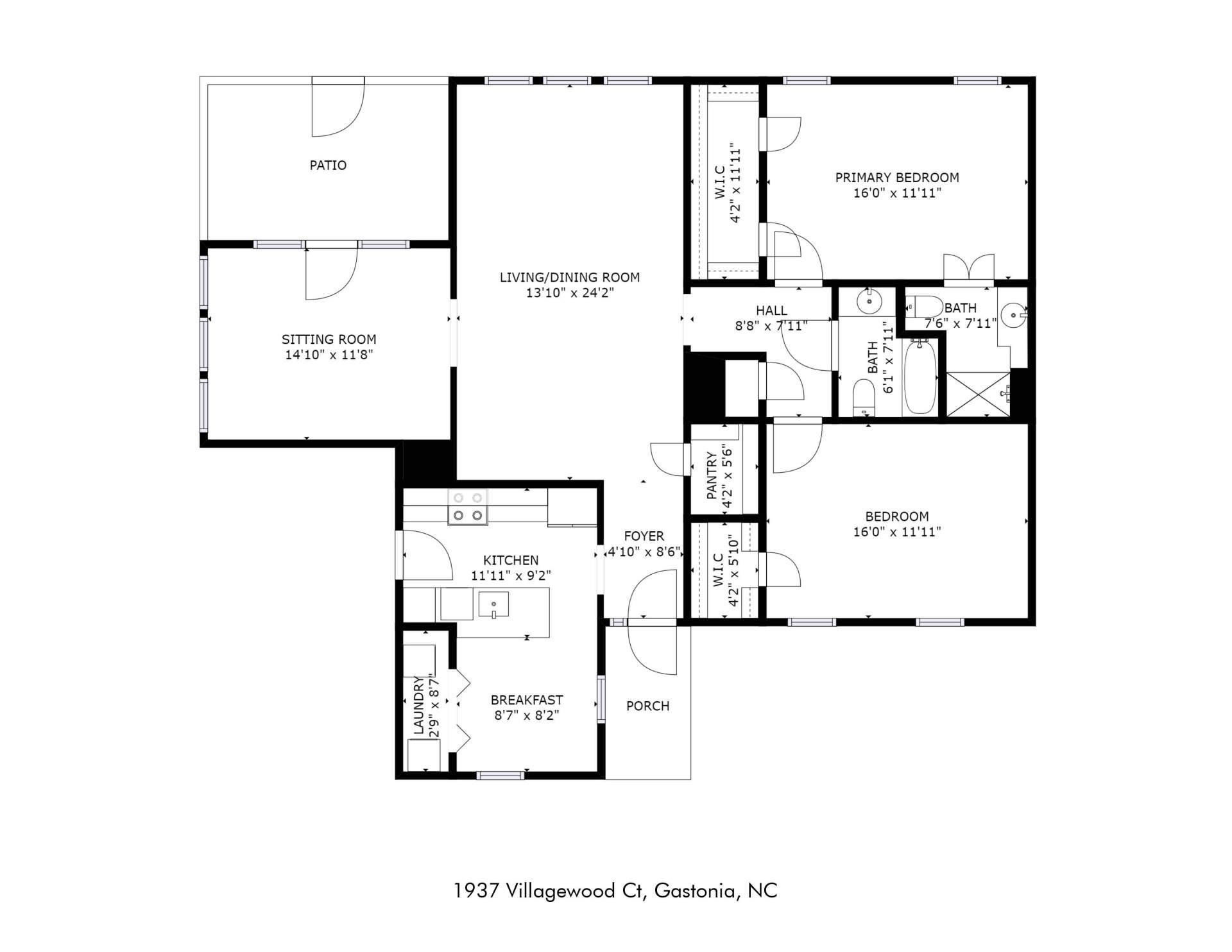
This is where the mechanism gets concrete. Zillow's research found that 69% of buyers say a dynamic floor plan helps them select the right home. That's not a marginal preference — that's the majority of active buyers telling you directly that floor plans are part of their decision-making process. And it connects directly to a question every seller asks: do better photos really help homes sell faster? The answer is yes — and floor plans amplify that effect significantly.
When a buyer encounters a listing with an interactive floor plan, their behavior changes in measurable ways. They stop scrolling. They click into the floor plan view. They examine room dimensions. They mentally place their furniture. They cross-reference the floor plan against the listing photos to understand how spaces connect. That entire sequence of behavior is dwell time accumulating — and every second of it is a signal to Zillow that this listing deserves more visibility.
Compare that to a buyer who lands on a listing with only static photos. They scroll through the images in under a minute, form a rough impression of the space, and either save it speculatively or bounce. No floor plan means no spatial understanding, which means no confident engagement, which means lower dwell time, lower save rate, and lower contact rate. The algorithm sees a listing that buyers aren't excited about — and responds accordingly.
Interactive floor plans vs. static floor plans — why the distinction matters
Not all floor plans are equal on Zillow — and the difference between a static floor plan image and a fully interactive one is significant in terms of both buyer engagement and algorithm performance.
A static floor plan is better than no floor plan. It answers the basic layout question and gives buyers a spatial reference. But it's a passive asset. A buyer looks at it, absorbs the information, and moves on. The dwell time contribution is real but limited.
An interactive floor plan is an active experience. Buyers click through rooms, jump directly from the floor plan view into the corresponding listing photo, explore dimensions, and navigate the home's layout the way they'd explore a map. That interactivity keeps buyers on the listing significantly longer — and that extended engagement is exactly what the Zillow algorithm is measuring.
Zillow's own Interactive Floor Plan product — paired with a Zillow 3D Home Tour and complete visual listing package — is specifically designed to integrate with their ranking system. Listings that use Zillow's native interactive floor plan tool get the full benefit of that engagement data feeding directly into their algorithm signals.
The complete visual stack and how each layer amplifies the others
Floor plans don't operate in isolation. They're one layer of a complete visual marketing system — and each layer makes the others work harder.
- 01 Professional photography is the entry point. It determines whether a buyer clicks into your listing from Zillow search results at all. Strong listing photos and how visual quality shapes perceived home value and click-through rate — the first signal in the engagement chain. Buyers trust listings with clean, consistent photos — and that trust is what makes them stay long enough for the floor plan to do its job.
- 02 The 3D virtual tour extends dwell time after the photos have done their job. A buyer who moves from photos into a navigable 3D walkthrough is investing real time in your listing. They're building a mental model of the space. They're getting emotionally attached. That time investment feeds directly into Zillow's engagement metrics.
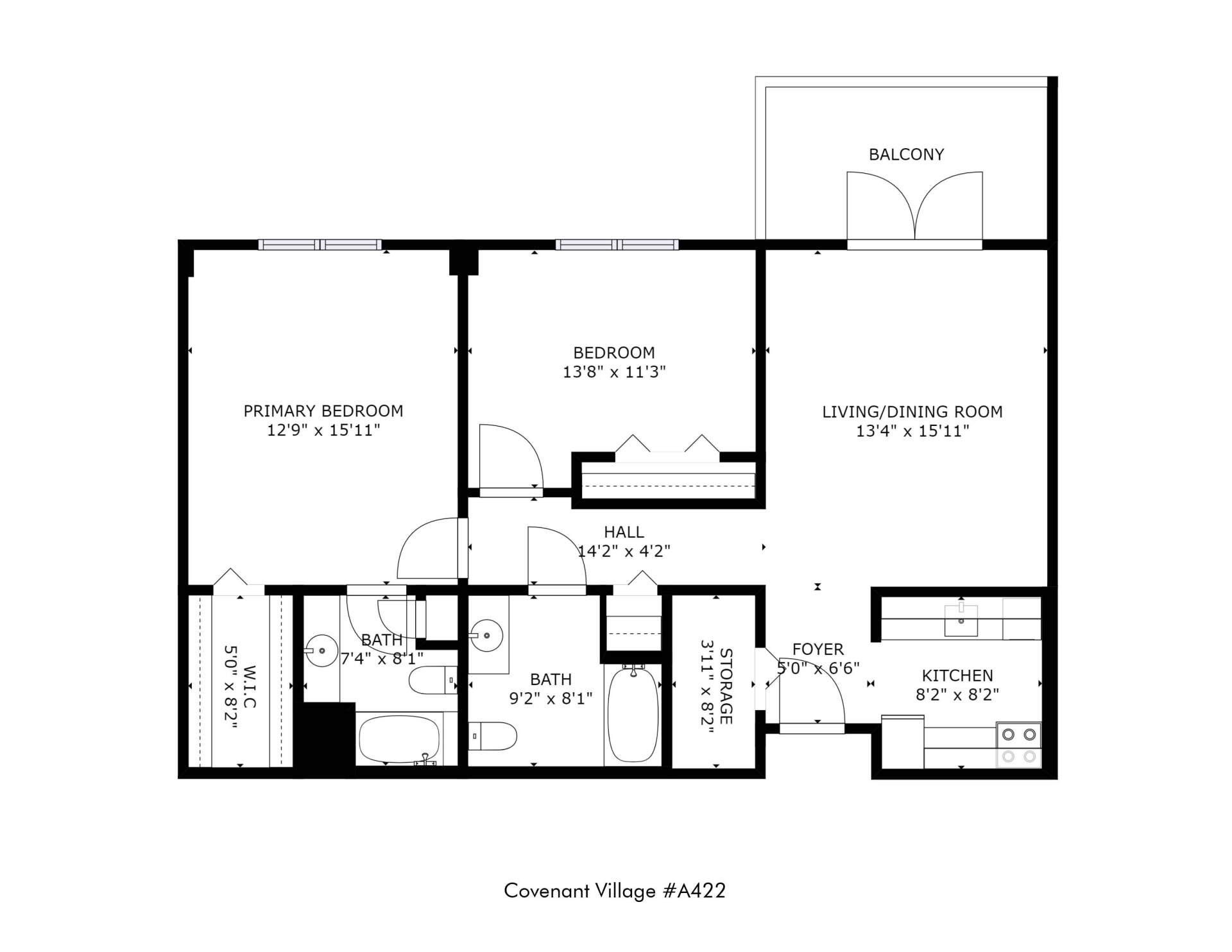
- 03 The interactive floor plan is the logical anchor that completes the experience. After feeling the home through photos and the 3D tour, buyers use the floor plan to understand it rationally — dimensions, layout, flow, connections between spaces. This is the asset that converts emotional interest into confident inquiry.
- 04 Virtually staged photos layered into the visual stack increase save rates by giving buyers a furnished, livable version of the home to connect with. Virtual staging is a game changer in property marketing — removing the perceptual friction of empty or dated spaces that causes buyers to disengage before generating strong algorithm signals.
What listings without floor plans are leaving behind
This is the part of the conversation that sellers and agents tend to underestimate — the actual cost of skipping the floor plan, not just in direct buyer engagement but in cumulative algorithm performance.
- 01 Lower dwell time from day one. Buyers without a floor plan to explore spend less time on the listing. That deficit starts accumulating immediately on the first day the listing goes live — the most critical period for algorithm momentum. Early engagement signals set the trajectory for the entire listing campaign.
- 02 Fewer saves from serious buyers. The buyers most likely to make strong offers are doing their research most thoroughly. These buyers specifically look for floor plans because they're trying to make confident decisions. When your listing doesn't have one, they move on to listings that answer their questions completely. Buyers skip listings with poor visual presentation — and a missing floor plan signals an incomplete listing.
- 03 Lower search placement over time. A listing that consistently generates weaker engagement signals gets deprioritized in Zillow's search results relative to comparable listings with stronger signals. Lower placement means fewer organic views — a self-reinforcing cycle that's difficult to reverse once it starts.
- 04 More wasted showings. Buyers who can't understand a home's layout from the listing arrive at showings with unresolved spatial questions. Without the floor plan doing that work upfront, the showing carries more of the persuasive burden — and showing conversion rates drop accordingly.
- 05 Slower momentum toward that seven-day window. Homes that sell within seven days are 2.6 times more likely to go above asking price. Everything that slows a listing's early momentum pushes the sale further from that window and closer to a price reduction conversation.
How to optimize your Zillow listing for maximum organic views
The playbook here is straightforward. Every element feeds the algorithm. Execute them all before the listing goes live — because the first 72 hours on Zillow generate the engagement signals that set the listing's algorithmic trajectory for everything that follows.
- 01 Add Zillow's Interactive Floor Plan as part of your pre-listing visual package. Not after the listing goes live. Not as an afterthought if the listing sits. Before day one, so the engagement signals start accumulating from the first buyer who clicks in.
- 02 Pair the floor plan with a Zillow 3D Home Tour. The two assets work together — the tour gives buyers the emotional experience, the floor plan gives them the logical framework. Together they generate more sustained dwell time than either asset alone. Zillow 3D Home Tours and interactive floor plans are designed to work as a system — use both.
- 03 Lead with professional HDR photography that earns the initial click from search results. Strong listing photos drive the click-through rate that gets buyers onto the page where the floor plan can engage them. First impression photos matter more than price — and floor plans are what keep buyers on the page long enough to convert.
- 04 Use virtual staging for vacant or dated spaces. Staged photos increase save rates by giving buyers an emotionally compelling version of the home to connect with. This is one piece of a strategy focused on selling your listing in the first 30 days that treats every visual asset as an algorithm input, not just a presentation choice.
- 05 Write keyword-rich listing descriptions that answer the questions buyers are actually searching. Zillow's search algorithm considers listing copy alongside engagement signals. Descriptions that match buyer search behavior improve discoverability before the engagement loop even begins.
The bottom line
Zillow is not a bulletin board. It's a search engine that rewards engagement — and interactive floor plans are one of the most reliable ways to generate the kind of sustained buyer engagement that drives algorithmic visibility, organic listing views, and ultimately faster sales at stronger prices.
The mechanism is simple. Floor plans extend dwell time. Dwell time feeds Zillow's ranking signals. Better ranking signals produce higher placement. Higher placement generates more organic views. More organic views attract more buyers. More buyers create the early momentum that gets a listing to that critical seven-day window — and everything that comes with it.
It starts with one asset. It compounds from there. And every day a listing goes live without it, that compounding is working for someone else's listing instead of yours. For the growing share of buyers making decisions entirely through screens, a listing without a floor plan isn't just incomplete — it's invisible.